
Dementia Action Week and World Alzheimer’s Month: Starting Conversations with Your Loved Ones
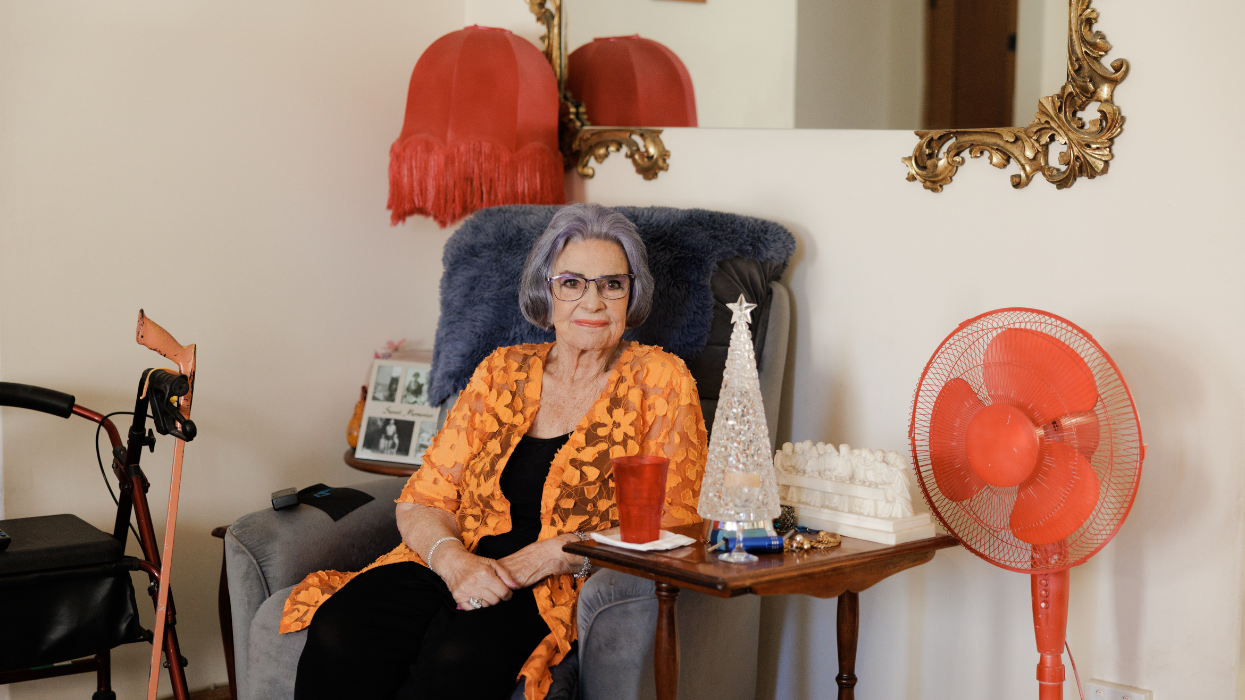
Talking about dementia isn’t always easy.
You may have noticed changes in someone close to you and wondered whether to say something. Perhaps someone you love is already living with dementia, but you’re unsure how to talk about the changes they’re experiencing or the support they may need. Or you might simply want to understand dementia better so you can be there for someone when they need you.
September provides an important opportunity to start these conversations. World Alzheimer’s Month takes place throughout September, while Dementia Action Week encourages Australians to talk more openly about dementia, challenge misconceptions and build greater understanding.
For families, these conversations don’t need to have all the answers. Sometimes, simply making space to listen and understand what matters to your loved one can be a meaningful place to start.
Understanding Dementia and Alzheimer’s Disease
The terms dementia and Alzheimer’s disease are sometimes used interchangeably, but they don’t mean the exact same thing.
Dementia is an umbrella term used to describe a range of symptoms that affect areas such as memory, thinking, behaviour and the ability to carry out everyday activities. There are different types and causes of dementia.
Alzheimer’s disease is the most common form of dementia.
Every person’s experience is different. Dementia can affect people in different ways and at different stages, which is why it’s important to see beyond their diagnosis and understand their individual needs, preferences and experiences.
Why Talking About Dementia Matters
It’s understandable to feel hesitant about starting a conversation about dementia.
You might be worried about upsetting someone, saying the wrong thing or making assumptions about what they’re experiencing. For the person themselves, there may also be uncertainty about what changes could mean for their future.
Avoiding the conversation, however, can sometimes leave everyone feeling more uncertain.
Open and respectful conversations can give your loved one an opportunity to share how they’re feeling, what they’re finding difficult and what is important to them. They can also help families better understand how they can offer support without taking away a person’s sense of choice or independence.
Most importantly, talking about dementia doesn’t always need to be about what someone can no longer do. It can also be about what they enjoy, the routines that are important to them, the people they want around them and how they would like to be supported.
Starting a Conversation with Someone You Love
There is no perfect way to start a conversation about dementia, and you don’t need to have everything planned before you begin.
Choosing a familiar, comfortable environment can help. Try to find a time when neither of you feels rushed, and there are fewer distractions around you.
From there, keep the conversation open rather than assuming you know how the other person is feeling. You might ask whether they have noticed any changes themselves, how they’ve been feeling lately or whether there are things they would appreciate some help with.
It can also help to:
- Listen before trying to solve the problem. Give your loved one time to explain how they feel in their own words.
- Focus on their experience. Rather than concentrating only on symptoms or changes you’ve noticed, ask what matters to them.
- Be patient. You may not cover everything in one conversation, and that’s okay.
- Include them in decisions. Where possible, decisions about care and support should be made with the person, not simply for them.
- Keep the conversation going. Needs and preferences can change over time, so this doesn’t need to be a one-off discussion.
Sometimes the most helpful first conversation is simply letting someone know that you’re there to listen.
Talking About Support Without Taking Away Independence
For some families, one of the harder conversations is discussing whether a little extra support might help.
It’s easy for conversations about care to focus on what someone is finding difficult. A more helpful starting point can be asking what would make everyday life feel easier or help them continue doing the things that matter to them.
That might mean support with everyday tasks at home, getting out into the community, attending appointments, maintaining social connections or establishing routines that provide familiarity and reassurance.
Receiving support doesn’t mean someone needs to give up their independence. The right support should work around the person, helping them continue making choices and participating in everyday life in ways that are meaningful to them.
Supporting Someone Living with Dementia
When someone you love is living with dementia, their needs may change over time. What remains important is that they continue to be treated as an individual, with their own preferences, routines, relationships and life experiences.
Familiarity can be particularly valuable. Continuing everyday routines, spending time with people they know and participating in activities they enjoy can help create a sense of connection and comfort.
It’s also important to remember that families don’t have to navigate every change on their own. Seeking support can help both the person living with dementia and the people close to them feel better prepared as circumstances change.
Dementia Care and Support with Life Care
At Life Care, we understand that dementia support is about much more than completing everyday tasks. It starts with getting to know the person.
Our dementia care and support is shaped around each person’s individual needs, routines and preferences, with a focus on helping them remain connected to the people, activities and everyday moments that are important to them.
We also understand that dementia affects families and those closest to the person. Having someone to talk to about the support available can make it easier to understand your options and decide what feels right for your family.
If you’re starting to think about dementia care for yourself or someone you love, our team is here to listen, answer your questions and help you understand what support may be available.