
Staying Steady, Staying Independent: Supporting Mobility as You Age
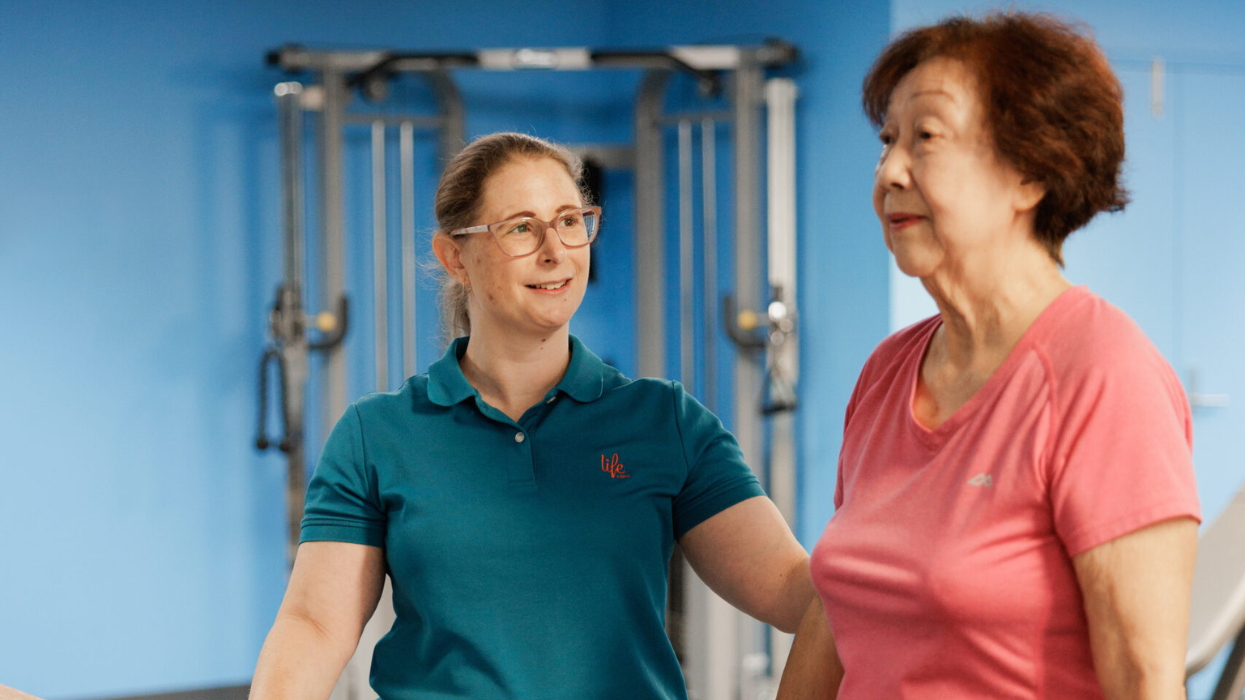
Mobility is key to maintaining independence as we age. It supports everyday activities, helps people stay connected to their community, and plays an important role in overall well-being.
While changes in strength, balance, and flexibility can happen over time, there are practical ways to support mobility and reduce the impact these changes may have on daily life.
Recognising Changes in Mobility
Mobility changes are often gradual. You or your family member may notice small shifts, such as moving more slowly, feeling less steady, or needing to hold onto furniture for support.
These changes can be early indicators that additional support may be helpful. Addressing them early can help prevent falls, reduce the risk of injury, and support continued independence at home.
How Physiotherapy Can Support Mobility
Physiotherapy plays an important role in maintaining and improving mobility. Through personalised assessment and treatment, physiotherapists can identify areas of weakness, stiffness, or imbalance and develop a plan to address them.
Support may include:
- Strength and conditioning exercises
- Balance and coordination training
- Pain management and joint support
- Rehabilitation following injury or illness
These programs are tailored to each individual and can be delivered in the home or within a clinic, depending on what is most suitable.
The Role of Occupational Therapy
Occupational therapy focuses on supporting people to move safely and confidently within their home environment.
An occupational therapist can assess how someone is moving through their space and recommend practical changes to improve safety and ease of movement. This may include:
- Identifying and reducing trip hazards
- Recommending home modifications such as handrails or bathroom supports
- Advising on assistive equipment
- Supporting safe daily routines
These adjustments are designed to support independence, not limit it, making everyday tasks more manageable.
Supporting Mobility Through Exercise and Movement
Regular movement is one of the most effective ways to maintain mobility. Even small, consistent activity can help improve strength, flexibility, and balance.
Exercise programs guided by allied health professionals ensure that movements are safe, appropriate, and aligned with individual needs. This is particularly important for people managing chronic conditions or recovering from injury.
Supporting a Family Member
For families, changes in mobility can sometimes be difficult to raise. However, early conversations can make a meaningful difference.
If you’ve noticed a loved one becoming less steady, avoiding certain movements, or needing more support, it may be helpful to gently start a conversation about how they’re feeling and whether additional support could help.
The goal is not to take away independence, but to put the right supports in place so they can continue living safely and confidently.
A Practical Approach to Staying Independent
Supporting mobility is often about combining a few simple steps:
- Strengthening the body through guided exercise
- Making small adjustments in the home
- Accessing the right support early
- Building confidence through safe movement
Together, these approaches can help people stay steady on their feet and maintain independence for longer.
We’re Here to Support You
Life Care provides a range of services to support mobility, including physiotherapy, occupational therapy, and personalised exercise programs. These services are available both at home and in clinic settings, offering flexible support based on individual needs.
If you or someone you care about would benefit from support with mobility, our team is here to help.