
Active Ageing: How To Stay Healthy, Connected & Independent in Your Older Years
What is Active Ageing?
The World Health Organisation describes active ageing as the process of staying healthy, socially connected, and secure, so you can continue living with purpose and independence. While the term might not be familiar to everyone, it’s about making choices that support your well-being as you grow older.
Life Care understands that active ageing looks different for everyone. For some, it’s about keeping the body moving. For others, it’s about staying engaged with family, friends, and community. Our allied health and in-home services are designed to support these goals, helping older South Australians remain confident and independent at home and in the community.
Why Active Ageing Matters for Older South Australians
As we age, we don’t want to just add years to our lives; we want to add life to those years! Active ageing plays an important role in helping older South Australians stay engaged, confident and supported.
The benefits of active ageing include:
- Greater strength and balance to reduce the risk of falls.
- Better memory and focus through regular mental stimulation.
- More energy for the things you enjoy.
- A stronger sense of belonging through social activities.
- The confidence that comes with independence.
Essential Healthy Ageing Tips
Active ageing is about making choices that support your health and independence every day. Small, consistent habits can make a big difference to how you feel and how confidently you live.
Staying Physically Active in a Safe and Enjoyable Way
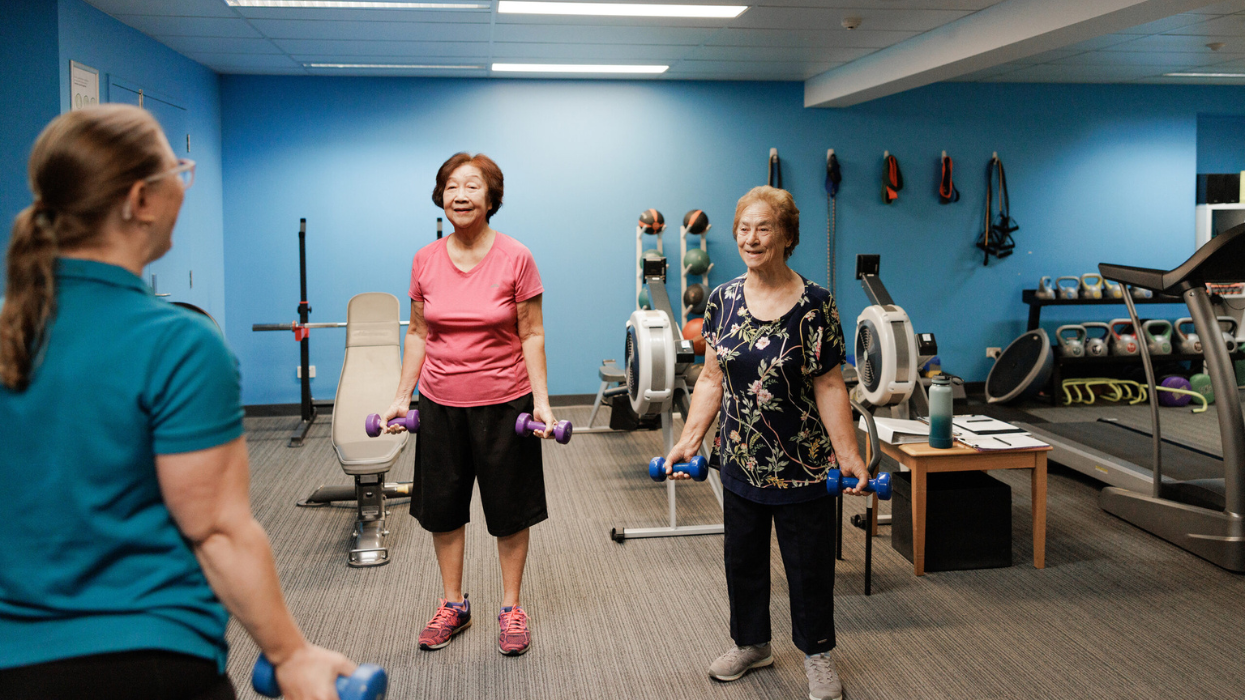
Movement is one of the most important parts of active ageing, but it doesn’t need to be complicated. Gentle activities like walking, gardening, stretching, or light strength exercises can help maintain mobility, balance, and energy.
The most effective routines are the ones that feel safe, enjoyable, and suited to your life. A good plan should consider your health history, energy levels, and personal preferences. Starting gradually, warming up and cooling down, and listening to your body all make activity more comfortable and sustainable.
Life Care’s physiotherapists and exercise physiologists can help tailor programs to your needs, whether you’re managing a health condition, recovering from illness or injury, or simply wanting to stay active and independent.
Eat a Balanced and Nutritious Diet
Nutritious meals provide the fuel your body needs to stay strong. Aim for a variety of fruits, vegetables, whole grains, and lean proteins, while keeping hydrated throughout the day. Simple adjustments can help you feel more energised and support long-term wellbeing.
Staying Connected for Mental and Emotional Well-Being
Connection and well-being often go hand in hand. Spending time with family, friends or community groups can lift mood and create a sense of belonging, while activities such as reading, puzzles, or learning something new can help keep the mind engaged.
Social and emotional well-being is just as important as physical health. Life Care’s social support programs and community activities provide opportunities to meet others, try new experiences, and stay engaged with the things you enjoy.
Regular Health Check-ups and Screening
Routine health checks allow for early detection and better management of potential issues. Partnering with your GP and health professionals ensures your care is tailored and proactive.
Overcoming Common Barriers to Staying Active
Everyone meets obstacles when trying to stay active. Small steps and the right support can help you keep moving.
- Mobility concerns: If stiffness, pain, or balance worries are holding you back, Life Care’s physiotherapists and exercise physiologists can help with gentle, structured programs that build strength and reduce the risk of falls.
- Lack of motivation: Some days it’s harder to get started. Setting small, realistic goals, like a short walk or a few stretches, can make activity feel more achievable. Our group exercise classes or community outings are a great way to stay active while enjoying the encouragement of others.
- Weather or environment: Hot summers or cold winters can make it difficult to get outside. Indoor alternatives, such as exercise classes, stretching routines, or online programs, keep you moving in comfort and safety.
- Accessibility: Not everyone has transport or easy access to facilities. Community centres, in-home services, and programs available through government funding can provide options closer to home.
Find solutions that work for your lifestyle. With the right support, these barriers don’t have to stand in the way of staying active and independent.
Life Care’s allied health and in-home services are designed to help you stay healthy, independent, and confident.
Frequently Asked Questions
Stay physically active, eat a balanced diet, maintain social connections, support your mental wellbeing, and have regular health checks. Together, these habits help you remain independent and confident at home.
Exercises that build strength, balance, flexibility, and cardiovascular health are best. Walking, stretching, light resistance training, and hydrotherapy are safe options that can be tailored to individual needs.
Consistency. Regular activity, nutritious meals, social engagement, and routine health checks all work best when maintained over time.
Social interaction reduces loneliness, improves mood, and strengthens cognitive health. Staying engaged with family, friends, or community groups helps you feel connected and supported.
Vegetables, fruit, lean proteins, and whole grains. Drinking enough water and limiting processed foods also support energy, mobility, and overall well-being as you age.