
National Pain Week: Understanding Chronic Pain and the Support Available
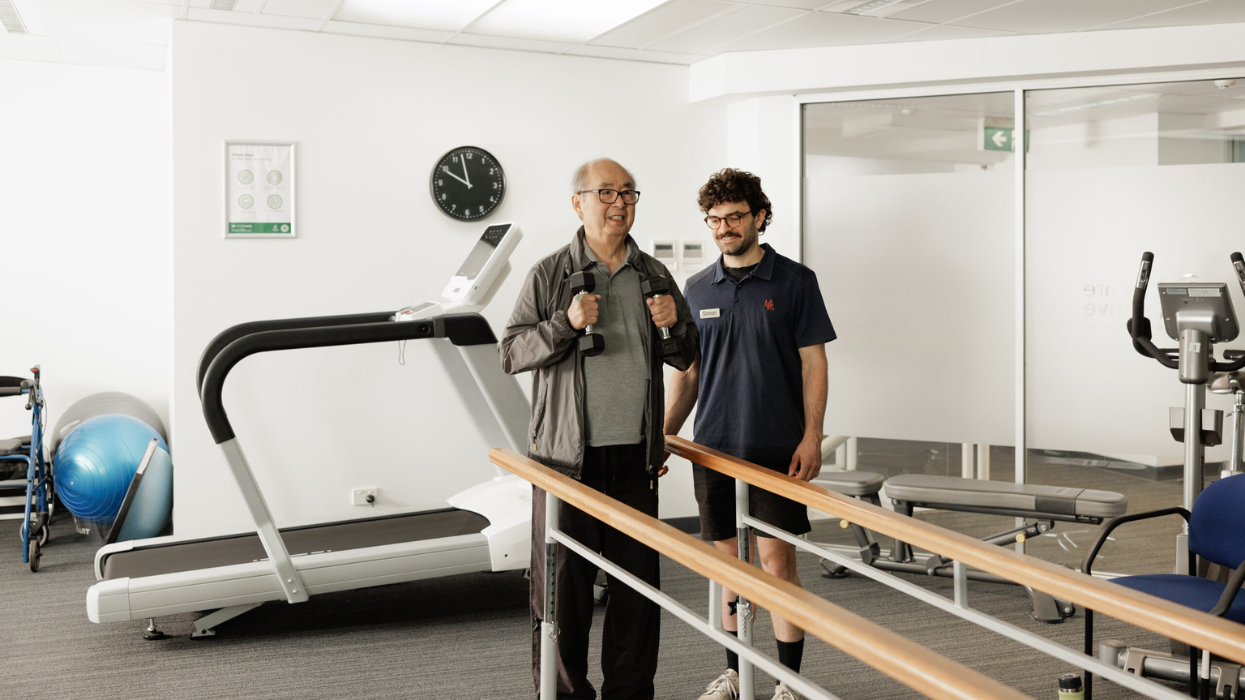
Each year, National Pain Week raises awareness of chronic pain and its impact on millions of Australians. Held from 26–31 July 2026, the week encourages people living with persistent pain to seek support, start conversations with healthcare professionals, and understand the options available to help them manage their condition.
While occasional pain is a normal part of life, chronic pain is different. It can affect how people move, sleep, work, and enjoy everyday activities. The good news is that with the right support, many people can improve their quality of life and continue doing the things that matter most to them.
What Is Chronic Pain?
Chronic pain is pain that persists for longer than three months and may continue even after an injury has healed or without an obvious cause.
It can affect different parts of the body and may be constant or come and go. Common examples include:
- Arthritis and joint pain
- Back and neck pain
- Persistent muscle pain
- Nerve pain
- Pain following surgery or injury
Chronic pain is not simply a normal part of ageing. While some health conditions become more common as we get older, ongoing pain should not be ignored.
How Chronic Pain Can Affect Everyday Life
Living with chronic pain can make everyday tasks more challenging.
Simple activities such as walking, gardening, shopping, or getting dressed may require more effort than they once did. Pain can also affect sleep, mood, confidence, and social connection, making it harder to maintain regular routines.
Over time, some people begin avoiding movement because they worry it may make their pain worse. While this is understandable, reducing activity can sometimes lead to weaker muscles, reduced mobility, and increased discomfort.
Finding the right balance between rest and movement is often an important part of managing chronic pain.
Supporting Movement and Independence
Every person’s experience of chronic pain is different, which is why support should be tailored to their individual needs and goals.
At Life Care, our Allied Health team works with people to develop personalised strategies that support movement, confidence, and independence.
Depending on your circumstances, support may include:
Physiotherapy
Physiotherapists assess how pain is affecting movement and develop personalised treatment plans to improve mobility, strength, flexibility, and function. Treatment may include manual therapy, exercise, education, and practical strategies to help manage pain and support everyday activities.
Exercise Physiology
Exercise plays an important role in managing many persistent pain conditions. Accredited Exercise Physiologists design safe, individualised exercise programs that help improve strength, endurance, balance, and overall physical function while building confidence to move.
Occupational Therapy
Occupational Therapists focus on helping people continue participating in everyday activities safely and independently. This may include recommending practical strategies, equipment, or home modifications that reduce strain and make daily tasks easier to manage.
Massage Therapy
For some people, massage therapy may help relieve muscle tension, reduce stiffness, and promote relaxation as part of an overall pain management plan.
Hydrotherapy
Exercising in warm water can provide gentle support for people experiencing joint pain or reduced mobility. The buoyancy of water helps reduce pressure on joints while allowing people to move more comfortably.
Looking Beyond the Pain
Managing chronic pain is about more than treating physical symptoms.
It also involves maintaining confidence, staying socially connected, and continuing to participate in activities that bring enjoyment and purpose.
Small, consistent improvements can make a meaningful difference over time. Whether it’s walking a little further, feeling more confident around the home, or returning to a favourite hobby, these outcomes all contribute to improved well-being.
When Should You Seek Support?
If pain has been affecting your daily life for more than a few months, it may be time to speak with a healthcare professional.
You may benefit from additional support if you are:
- Limiting activities because of pain
- Finding it harder to move around safely
- Avoiding exercise or social activities
- Experiencing ongoing stiffness or reduced mobility
- Concerned that pain is affecting your independence
Seeking support early can help prevent pain from having a greater impact on your daily life.
Supporting Well-being Every Day
National Pain Week is an opportunity to recognise that chronic pain is a common experience for many Australians, but it doesn’t have to be faced alone.
With the right support, education, and personalised care, people living with chronic pain can continue to stay active, maintain their independence, and enjoy a better quality of life.
If you would like to learn more about how Life Care’s Allied Health services can support you or someone close to you, our team is here to help.