
April Falls Month: Supporting Strength, Balance and Confidence at Home
April Falls Month is a national campaign that raises awareness about the impact of falls and the importance of early support. This year’s message, “Let’s Talk About Falls – Staying Safe Starts with a Chat,” encourages open, supportive conversations about changes in balance, mobility, and confidence.
For many people, talking about falls can feel uncomfortable. It may be seen as a sign of losing independence. In reality, these conversations are about protecting independence and helping people continue to live safely and confidently at home.
Why Falls Matter
Falls are one of the most common causes of injury for older Australians. Around one in three people over 65 experience a fall each year, and many falls can have a significant impact on mobility, confidence, and overall well-being.
However, falls are not simply a part of ageing. They often occur due to a combination of factors such as reduced strength, changes in balance, health conditions, or environmental risks around the home.
The encouraging news is that many falls can be prevented with the right support and small, practical changes.
Recognising the Early Signs
Falls rarely happen without warning. There are often subtle changes that may indicate someone is at increased risk.
These can include:
- Feeling unsteady when walking
- Holding onto furniture for support
- Changes in balance or coordination
- Signs of recent falls, such as bruising
- Feeling unwell or more fatigued than usual
- Moments of confusion or reduced awareness
Noticing these changes early creates an opportunity to act before a fall occurs.
Starting the Conversation
A simple conversation can be one of the most effective ways to support someone at risk of falling.
Talking about falls doesn’t mean taking control away. It creates space to understand how someone is feeling and what support may be helpful. These discussions can be gentle and practical, focusing on safety, confidence, and maintaining independence.
As the campaign highlights, staying safe often starts with a conversation.
Supporting Strength and Balance
Strength and balance play a key role in preventing falls. Over time, changes in muscle strength, flexibility, and reaction time can affect how steady someone feels on their feet.
Regular, tailored movement can make a meaningful difference. In fact, research shows that exercise can reduce the risk of falls by up to 23%.
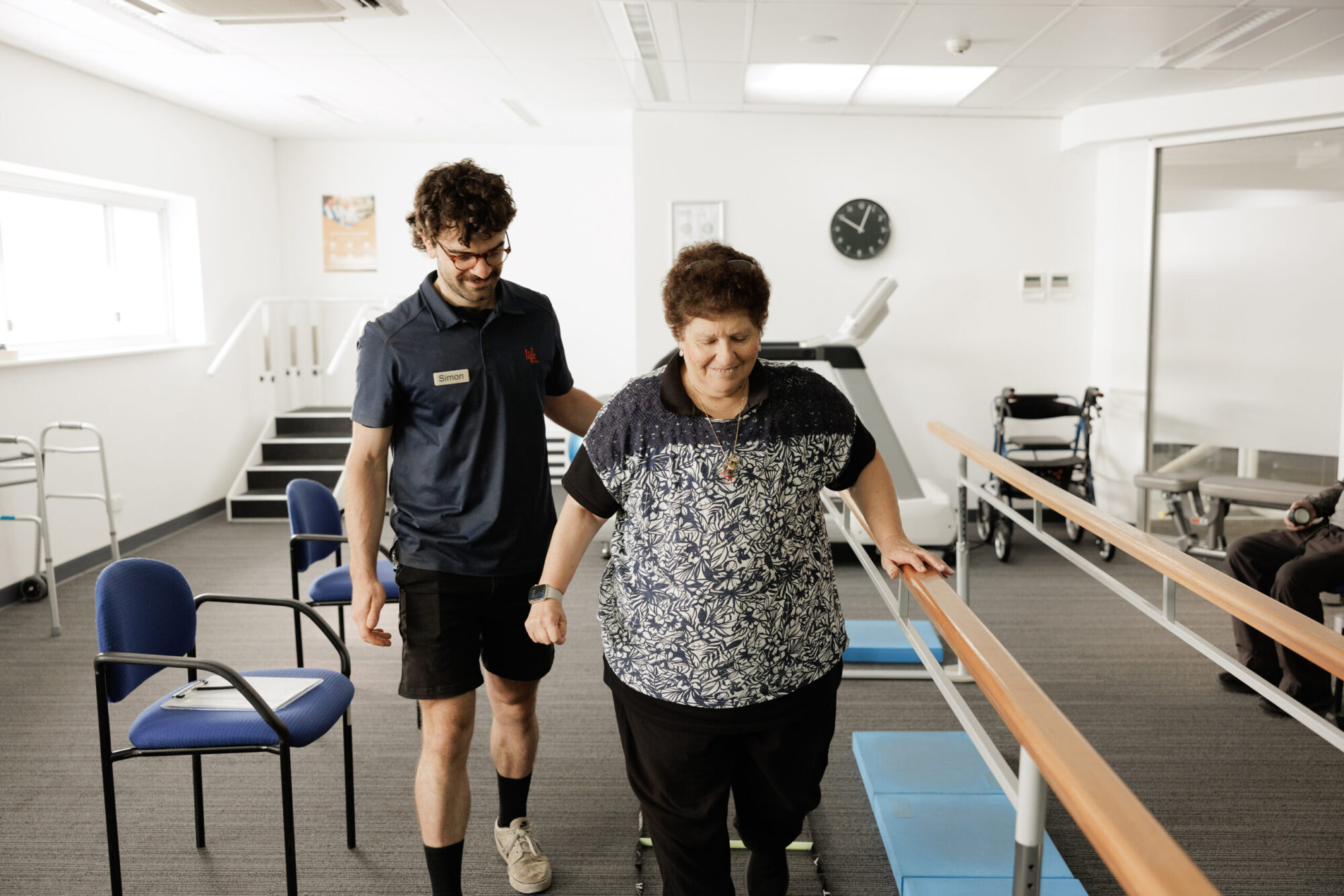
At Life Care, allied health services such as physiotherapy and exercise programs focus on:
- Improving strength and joint stability
- Supporting balance and coordination
- Building confidence in everyday movement
- Helping people stay active and independent
Programs are personalised and can be delivered either at home or in a clinic setting, depending on what suits each individual.
Practical Changes at Home
Alongside physical support, small changes in the home environment can help reduce the risk of falls.
This might include:
- Improving lighting in key areas
- Removing trip hazards such as loose rugs
- Installing supportive equipment like handrails
- Wearing appropriate footwear
- Adjusting daily routines to allow more time for movement
Occupational therapy can help identify these opportunities and recommend practical solutions that support safety without disrupting daily life.
Supporting Confidence and Independence
After a fall, or even a near miss, it’s common for people to feel less confident moving around. This can sometimes lead to reduced activity, which may further affect strength and balance.
Early support helps break this cycle. By addressing changes in mobility and confidence early, people are better supported to continue doing the things they enjoy and maintain their independence.
We’re Here to Support You
April Falls Month is a reminder that small steps can make a meaningful difference. Whether it’s starting a conversation, noticing changes, or seeking guidance, early action can help support long-term well-being.
If you or someone you care about would benefit from support with balance, mobility, or safety at home, Life Care’s team can help. Through physiotherapy, exercise programs, and home-based assessments, we provide practical, person-centred support to help people stay steady, confident, and independent.
To speak with our team, call 1300 555 220.