
How Regular Movement and Treatment Can Support Long-Term Well-being
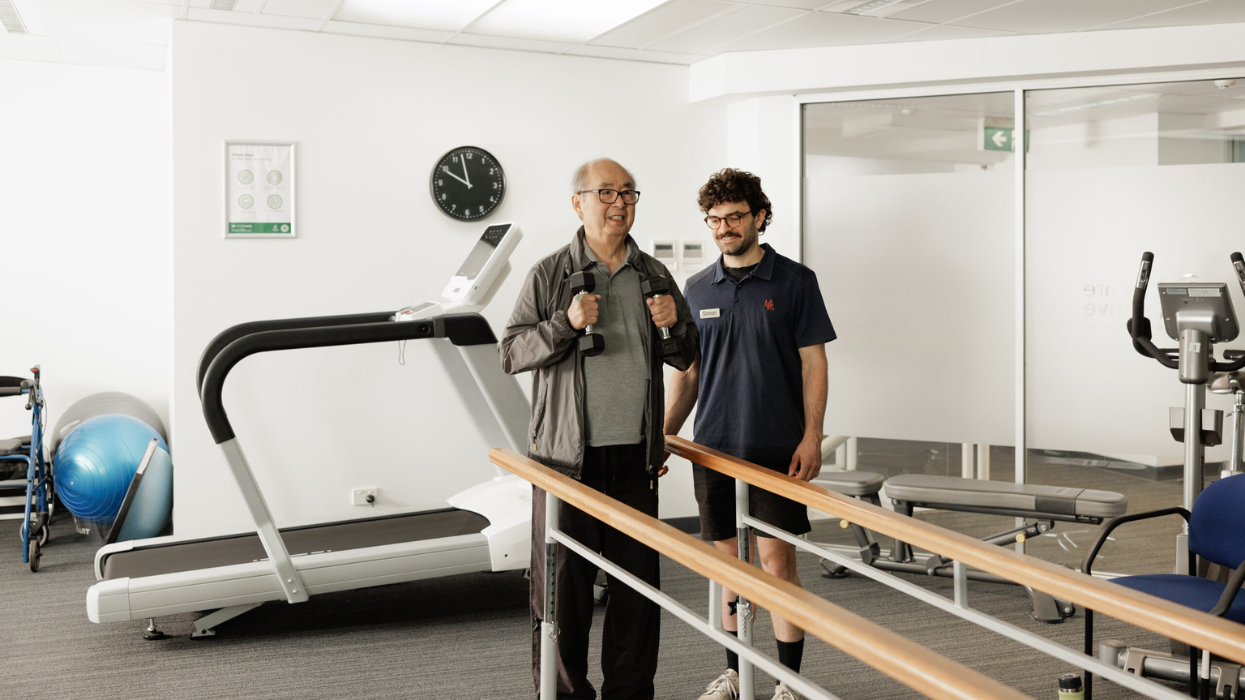
Well-being is not built overnight. More often, it’s shaped by steady habits and the right support at the right time. Regular movement, combined with appropriate treatment, can help maintain strength, mobility, and confidence over the long term.
For many people, this means paying attention to how their body feels and responding early to changes, rather than waiting until something becomes limiting.
The Value of Consistent Movement
Our bodies benefit from regular activity at every age. Gentle strength work, balance exercises, stretching, and low-impact movement all help support joint health, posture, and circulation. Over time, this can reduce stiffness, maintain muscle mass, and lower the risk of falls.
Movement also plays an important role in mental and emotional well-being. Staying active can improve mood, support better sleep, and encourage social connection, whether through group exercise classes or simply feeling more confident getting out and about.
At Life Care’s Clinic, exercise physiology, physiotherapy, and structured exercise classes are designed to support people at different stages of life. Programs are adapted to suit individual needs, whether someone is recovering from injury, managing a chronic condition, or simply wanting to maintain their strength and independence.
Addressing Concerns Early
Small changes in mobility, balance, or comfort can sometimes go unnoticed at first. Addressing these early can make a meaningful difference to long-term well-being.
Physiotherapy can assist with improving strength, coordination, and joint stability. Exercise physiology supports safe, targeted activity for ongoing health conditions. Podiatry can help manage foot discomfort that may affect balance and movement. Massage therapy can relieve muscle tension and support recovery.
These services, available at Life Care’s Clinic and, where appropriate, at home, focus on building capacity rather than replacing independence.
A Practical, Personalised Approach
There is no single formula for staying well. What works best is often simple and consistent, such as:
- A regular exercise class to maintain strength and balance
- A personalised home program guided by a clinician
- Periodic reviews to adjust exercises as needs change
- Treatment to manage pain or support recovery
The key is finding a routine that feels achievable and relevant. When movement and treatment are tailored to individual goals, they are more likely to become part of everyday life.
Supporting Independence Over Time
Long-term well-being is closely linked to independence. Feeling steady on your feet, managing discomfort effectively, and having the confidence to participate in daily activities all contribute to quality of life.
Clinic-based services can provide structured, professional support, while in-home options offer flexibility for those who prefer care in familiar surroundings. Together, these approaches help ensure that support is available in a way that suits different lifestyles and circumstances.
Regular movement and appropriate treatment are not about doing more than necessary. They are about doing what helps you stay well, active, and connected for as long as possible.
If you would like to understand what support might be suitable for you or a family member, the team at the Life Care Clinic is available to provide guidance and information.