
World Diabetes Day: Why Early Action Matters for Older Australians
Have you been feeling more tired than usual, noticing you’re thirstier throughout the day, or finding that a small cut is taking longer to heal? It’s easy to put these changes down to getting older, but sometimes they’re worth a closer look.
World Diabetes Day, held on 14 November each year, is an opportunity to raise awareness about diabetes and the importance of recognising changes in our health. This year’s theme, Early Action on Diabetes, encourages people to recognise possible symptoms, seek advice and access support sooner.
Why Early Action Matters as We Age
Type 2 diabetes often develops gradually, and some people experience few or no noticeable symptoms. This means it can go undetected for some time, particularly when changes such as tiredness are mistaken for a normal part of ageing.
According to the World Health Organization, more than 40% of people living with diabetes worldwide are undiagnosed.
Recognising potential symptoms and speaking with your GP can help identify diabetes earlier, allowing you to access appropriate care and reduce the risk of complications.
Early action isn’t just about managing a health condition. It’s also about supporting your independence, maintaining your well-being and continuing to enjoy the activities that matter to you.
Signs Worth Raising with Your GP
The following changes can occur for many different reasons and don’t necessarily mean you have diabetes. However, if you notice something unusual or persistent, it’s worth speaking with your GP.
Increased Thirst and Passing Urine More Often
Feeling unusually thirsty, even when you’re drinking regularly, can be a symptom of diabetes. You might also notice you’re visiting the bathroom more frequently, including during the night.
Tiredness and Blurred Vision
Feeling more tired than usual or experiencing changes in your vision can sometimes be associated with changes in blood glucose levels. If these symptoms are new or ongoing, speak with your GP rather than assuming they’re part of getting older.
Cuts and Sores That Are Slow to Heal
You may notice that a small cut, blister or sore takes longer than expected to heal. This is particularly important to monitor on your feet, as diabetes can affect circulation and sensation.
If a wound appears infected, is getting worse or isn’t healing, seek medical advice promptly.
Looking After Your Feet
Foot health is an important part of living well with diabetes. Over time, diabetes can affect the nerves and blood vessels in your feet, making it harder to notice injuries and potentially slowing the healing process.
Fortunately, a few simple habits can help you recognise changes early.
- Check your feet daily. Look for cuts, blisters, redness, swelling or changes to the skin, including between your toes. If you have difficulty seeing the soles of your feet, ask someone to help or use a mirror.
- Arrange regular foot checks. People living with diabetes should have their feet professionally assessed at least once a year, or more frequently if recommended by their GP or podiatrist.
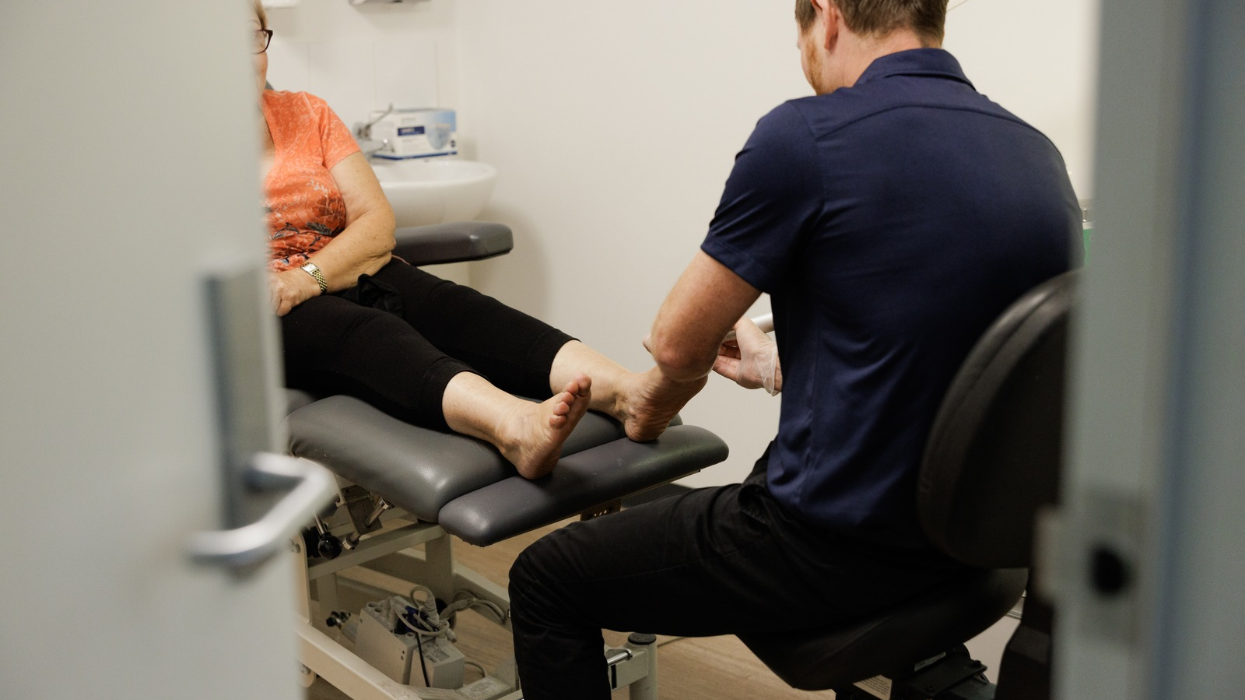
For older people who find it difficult to travel to appointments, a home care podiatrist may be able to provide support in a familiar and comfortable environment.
If you notice any changes to your feet, don’t wait until your next scheduled appointment to seek advice.
Staying Active and Supported at Home
Regular movement can play an important role in managing type 2 diabetes, maintaining mobility and supporting overall well-being.
This doesn’t have to mean taking up a demanding exercise routine. For many older Australians, staying active might involve walking, gardening, participating in a gentle exercise class or continuing with everyday activities they enjoy.
The important thing is finding activities that suit your health, abilities and personal goals.
Your GP or an allied health professional can help you understand which activities are appropriate for you, particularly if you’re managing other health conditions or have concerns about balance and mobility.
Depending on your needs, different allied health services may help:
- Physiotherapy can support mobility, balance and physical function.
- Exercise physiology can help develop an appropriate exercise program for older adults based on individual needs and goals.
- Occupational therapy can help you find practical ways to manage everyday activities and remain independent at home.
- Podiatry can support ongoing foot health and help identify potential concerns early.
Having access to the right allied health support services can make it easier to maintain healthy routines and continue doing the things you enjoy.
How Life Care Can Support You
Living with diabetes can involve regular appointments, medication routines and ongoing health checks. Having the right support can make these responsibilities easier to manage while helping you maintain your independence.
At Life Care, we provide a range of services to support older South Australians living with diabetes and other ongoing health conditions.
- Nursing services: Our registered and enrolled nurses provide nursing support at home, including assistance with medication management, well-being checks and chronic disease monitoring.
- Podiatry: Our podiatry services include diabetic foot care, helping older people monitor their foot health and address concerns.
- Allied health and exercise physiology: Our allied health team can support mobility, physical activity and everyday independence, with services tailored to individual needs.
Depending on your circumstances and eligibility, some services may be available through Support at Home funding.
Whether you’re managing a recent diagnosis or have been living with diabetes for many years, the right support can help you feel more confident about your health and daily routines.
Small Steps Today Can Make a Difference
World Diabetes Day is a reminder that paying attention to your health is important at every age. Recognising changes early, keeping up with regular check-ups and seeking support when needed can help you continue living well.
If you or someone you care for could benefit from additional support, Life Care is here to help you explore the options available.
Frequently Asked Questions
Common symptoms can include increased thirst, frequent urination, unusual tiredness, blurred vision and slow-healing wounds. Type 2 diabetes can also develop without obvious symptoms, so it’s important to speak with your GP if you notice changes in your health.
World Diabetes Day raises awareness of diabetes, early diagnosis and ongoing care. For older Australians, it’s a reminder that changes in health shouldn’t automatically be attributed to ageing and that timely advice can help reduce the risk of complications.
People living with diabetes should generally have a professional foot assessment at least once a year. More frequent checks may be needed depending on individual risk factors. Your GP or podiatrist can recommend an appropriate schedule.
A home care podiatrist provides foot care in a person’s home. This may include assessing skin and nail health, checking for potential foot problems and providing advice on ongoing foot care, particularly for people living with diabetes.
Yes. Regular physical activity can help manage blood glucose levels, maintain mobility and support overall well-being. Your GP or an allied health professional can recommend suitable activities based on your health, abilities and individual circumstances.
Support may include nursing assistance with medication management and health monitoring, podiatry, physiotherapy, exercise physiology and occupational therapy. Available services depend on individual needs, provider availability and eligibility for funded support.